
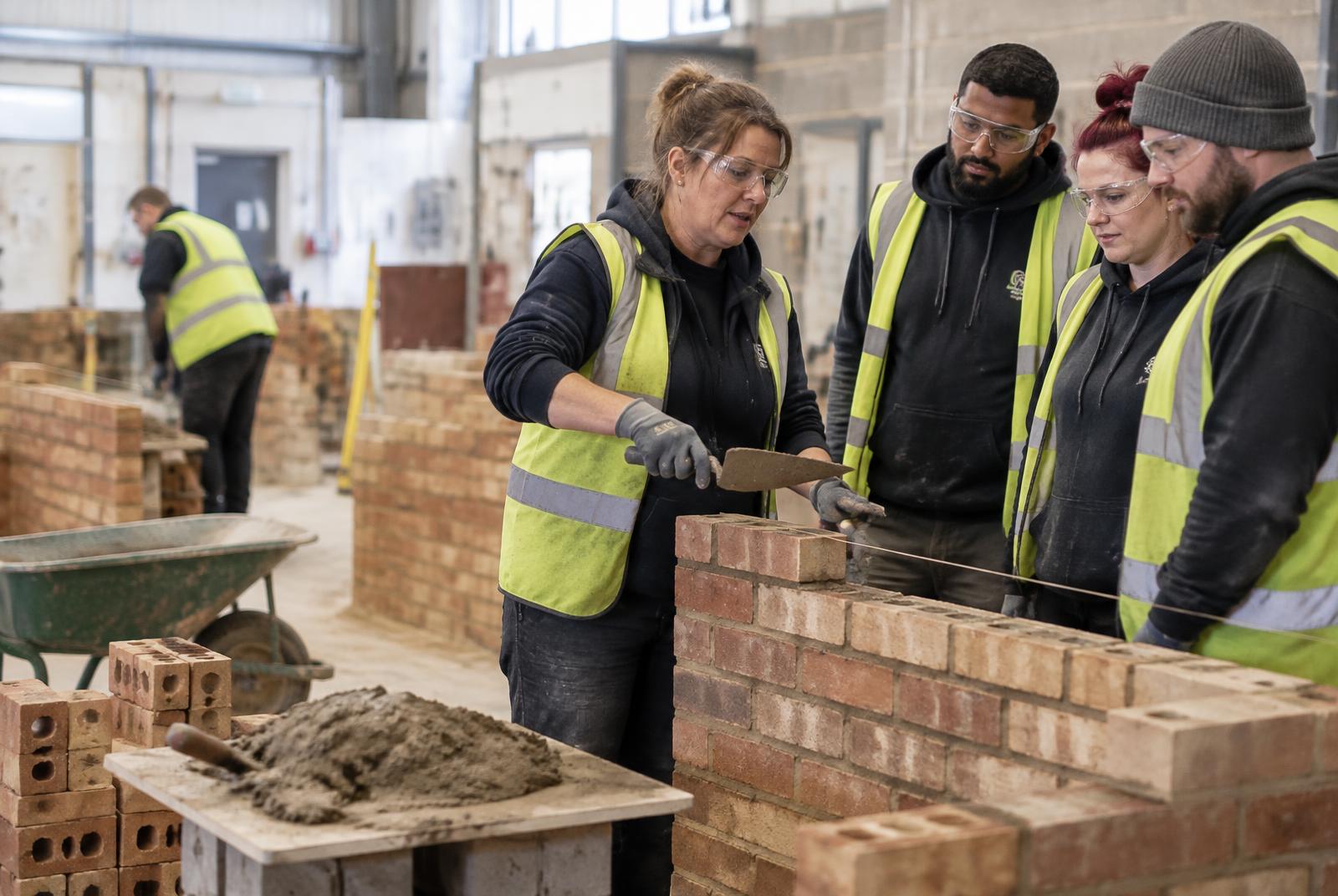
What construction covers in further education
Bricklaying, carpentry and joinery, plastering, painting and decorating, roofing, groundworks, and site supervision.
Roles you could be considered for
- Construction lecturer
- Trade instructor
- Apprenticeship assessor or skills coach
What you might teach
- Trade-specific practical skills
- Setting out and reading drawings
- Site health and safety
- Materials and estimating
Skills from industry that transfer into teaching
- Supervising and teaching apprentices
- Working to specification and building regulations
- Planning jobs and materials
Routes into FE teaching and qualifications
Colleges usually look for a Level 3 trade qualification or equivalent experience. Teaching qualifications can often be completed after appointment.
How requirements differ across the UK
- England: there is no single legal teaching qualification requirement for FE, but many colleges expect staff to hold or work towards one.
- Wales: FE teachers must register with the Education Workforce Council.
- Scotland: the TQFE is the established qualification for college lecturers. Registration arrangements are changing, so check current guidance.
- Northern Ireland: colleges commonly expect lecturers to gain a recognised teaching qualification within a set period.
See our guides for England, Scotland, Wales and Northern Ireland, and teaching qualifications and teaching without a teaching qualification for more detail.
Funding information
Support for teacher training, such as bursaries or employer-funded qualifications, changes over time and differs by nation. We only publish funding details that we have checked against official sources. See our funding information hub.
Common questions
Can I teach if I trained on the job without formal qualifications?
Some colleges may consider strong experience, but most will expect a recognised trade qualification. Tell us what you have.